Dedicated circuits vs. panel upgrade for growing household loads
When your home needs more electrical capacity
Homes today draw more power than ever. Electric vehicle chargers, heat pumps, induction ranges, and home offices all add to the electrical load that a house was designed for decades ago. At some point, a single 100-amp or 125-amp service can no longer keep up. The question becomes whether adding a dedicated circuit solves the problem, or whether a full electrical panel upgrade is the right move. Understanding what each option does and when it fits can help you make a sound decision.
What a dedicated circuit does
A dedicated circuit is a branch circuit that serves only one appliance or piece of equipment. It has its own breaker in the panel and its own wiring running to the outlet or hardwired connection. Common examples include a 240-volt circuit for an EV charger, a 50-amp circuit for a heat pump, or a 20-amp circuit for a workshop tool. The key point is that a dedicated circuit does not increase the total capacity of your electrical service. It simply carves out a portion of the existing capacity for a single purpose, so that device does not trip breakers when other loads are running.
For many homes, adding a dedicated circuit is a straightforward job. A licensed electrician can run new wire from the panel to the location of the new appliance and install a new breaker. If the main panel has open slots and the service size is adequate, this is often the most economical path. But there is a catch: the sum of all breakers in your panel can exceed the rating of the main breaker. That is normal; the main breaker is designed to trip only when the total load across all circuits exceeds its rating. The real question is whether the total expected load at any one time will exceed that rating.
What a panel upgrade does
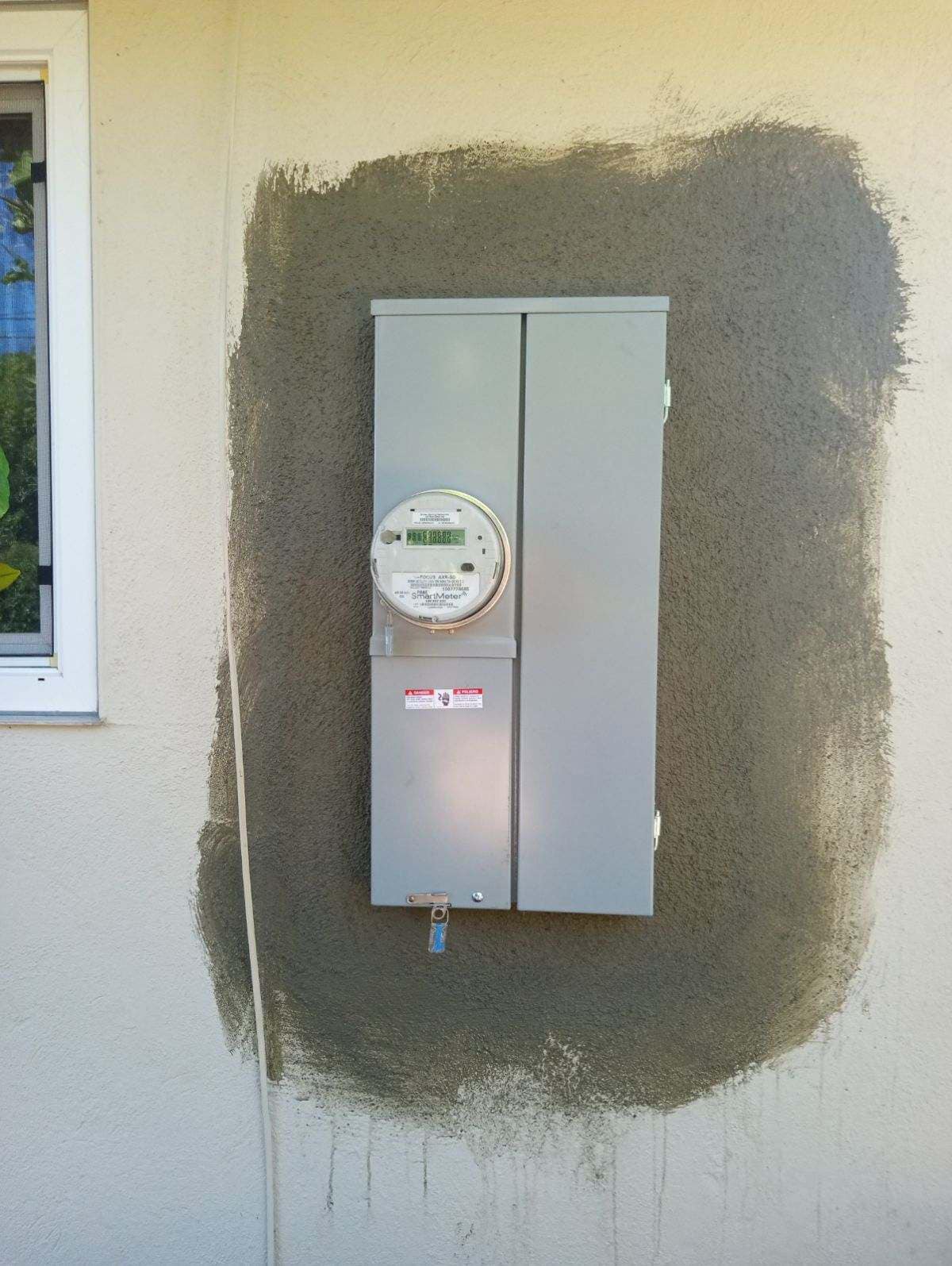
An electrical panel upgrade replaces the main service panel and sometimes the service entrance cable and meter. The goal is to increase the service size, often from 100 amps to 200 amps or more. This directly increases the total electrical capacity available to the home. A panel upgrade also provides space for additional breakers, making it easier to add dedicated circuits later. In many cases, an upgrade is required when you add a major load that would push the existing service past its safe limit.
A panel upgrade is a larger job. It typically involves coordinating with the utility company to disconnect and reconnect the service, replacing the meter base if needed, and bringing the entire electrical system up to current code. It can also require running a larger service entrance cable from the utility transformer to the house. The result, however, is a home that can handle the loads you have now and any you might add in the foreseeable future.
Comparing the two approaches
The choice between a dedicated circuit and a panel upgrade depends on the existing service size, the load calculation for your home, and the specific appliances you plan to add. Here are the main factors to weigh:
- Existing service size: If your main breaker is already close to its limit during peak use (say, you are running an air conditioner, a heat pump, and an oven at the same time), a dedicated circuit will not fix the tripping problem. A panel upgrade is needed.
- Number of new loads: Adding one large appliance, like an EV charger, might be fine with a dedicated circuit if your service has headroom. Adding two or more large loads almost always requires an upgrade.
- Future plans: If you intend to add solar panels, a battery system, or a second EV charger in the next few years, a panel upgrade now avoids having to do the same work again later.
- Panel condition: An older panel with a damaged bus bar, corrosion, or no available breaker slots is a candidate for replacement regardless of load.
In some situations, you do not have to choose one over the other. A common path is to install a dedicated circuit for an immediate need while planning for a panel upgrade in the near future. For example, a homeowner might add a 50-amp circuit for a heat pump this year and schedule a panel upgrade the following year when they add solar. The dedicated circuit works in the short term, and the upgrade provides the capacity for everything together.
When a dedicated circuit is the practical choice
A dedicated circuit suits homes where the main service still has enough capacity to handle the new load plus the existing loads. This is common in newer homes with 200-amp service or in older homes that have already had a partial upgrade. It is also the right choice when the new appliance is the only major addition you plan to make. For instance, installing a dedicated 240-volt circuit for an EV charger in a home with a 125-amp service that currently runs a gas furnace and a gas water heater often works fine, because the EV charger runs at night when other loads are low.
Another scenario is a workshop or home office where you need a reliable circuit for sensitive electronics or a single large tool. A dedicated circuit isolates that equipment from other loads, reducing the chance of nuisance trips. In these cases, the cost and disruption of a full panel upgrade are hard to justify.
When a panel upgrade is necessary
A panel upgrade becomes necessary when the load calculation shows that the existing service cannot safely supply the peak demand. This calculation adds up the wattage of all appliances and lights that could be running at the same time and compares that number to the service rating. If the total exceeds 80 percent of the main breaker rating (the continuous load limit), an upgrade is called for. Common signs include frequent tripping of the main breaker during normal use, lights dimming when the air conditioner kicks on, or a buzzing sound from the panel.
Homes built before the 1980s often have 60-amp or 100-amp service, which is inadequate for modern loads. Adding a heat pump, an EV charger, and a home office to such a service is not a matter of adding circuits; it is a fundamental capacity problem. A panel upgrade solves that by increasing the service size, which also makes future additions easier.

The role of a subpanel
Sometimes a subpanel offers a middle ground. A subpanel is a smaller panel fed from the main panel, often installed in a garage or basement to serve a specific area or group of loads. It does not increase the total service capacity, but it can organize wiring and simplify the addition of multiple dedicated circuits in one location. For example, if you plan to install an EV charger, a heat pump, and a workshop outlet in the garage, a subpanel can cleanly distribute power to all three without cluttering the main panel. The main panel still needs to have enough capacity to feed the subpanel, but the subpanel itself does not require a service upgrade.
Planning for the future
When you are considering a dedicated circuit or a panel upgrade, think about what your home will look like in five years. If you are likely to add more appliances, increase living space, or switch from gas to electric appliances (a trend many areas are seeing), a panel upgrade today is an investment that pays off in convenience and avoids repeated work. On the other hand, if your current service is already generous and your additions are modest, a dedicated circuit may be all you need.
It is also worth noting that the cost of a panel upgrade includes more than the panel itself. The labor, materials, permits, and utility coordination add up. But the cost of doing two separate dedicated circuits on an undersized service, only to upgrade later and redo the wiring, can be higher in the long run. A load calculation performed by a qualified electrician gives you the data to decide.
Getting the right assessment
Before making any changes, have a licensed electrician perform a load calculation on your current service. They will measure the actual draw of your existing appliances and compare it to the service rating. This tells you whether you have headroom for a new dedicated circuit or whether the service is already near its limit. The electrician can also inspect the condition of your panel and service entrance cable, which can affect the feasibility of either option.
The phrase "upgrading service for higher demand" describes exactly what a panel upgrade does: it increases the capacity of the electrical service to meet the growing needs of a modern home. This is not something a single dedicated circuit can accomplish. If your home is already running near its limit, the only way to safely add a large load is to increase the service size. That means a panel upgrade, often paired with new wiring and a new meter base.
In contrast, a dedicated circuit is a targeted solution. It adds a new path for electricity without changing the overall capacity. When the service has room to spare, this is a clean and cost-effective fix. The key is knowing which situation you are in.
Making the final call
The decision between a dedicated circuit and a panel upgrade comes down to capacity, cost, and future needs. A dedicated circuit is the simpler option when the existing service can handle the added load. A panel upgrade is the necessary step when the service is undersized or when you plan to add multiple large loads over time. In many Bay Area homes, especially those built several decades ago, a panel upgrade is the only realistic path to safely supporting an EV charger, a heat pump, and other modern appliances.
An upgraded panel also provides a foundation for further upgrades, such as adding a subpanel for a workshop or a backup generator. It gives you flexibility that a single dedicated circuit cannot match. The phrase "upgrading service for higher demand" captures the core purpose of this work: ensuring that your home's electrical system can handle the loads you need today and those you will add tomorrow. Whether you choose a dedicated circuit now or plan a full panel upgrade, the goal is a safe, reliable, and future-ready electrical system.